
Aromatic Characteristics
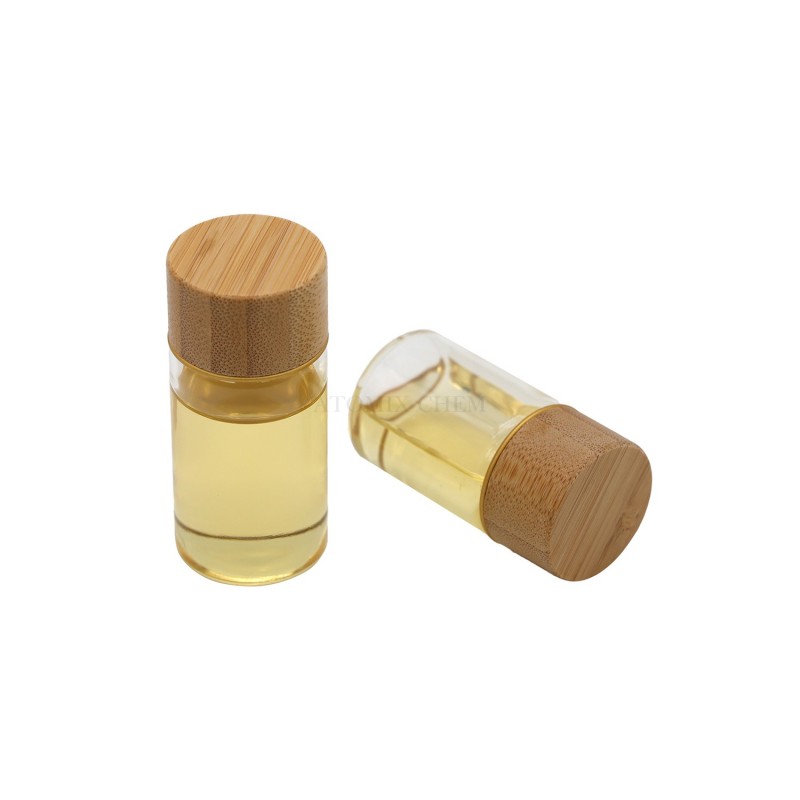
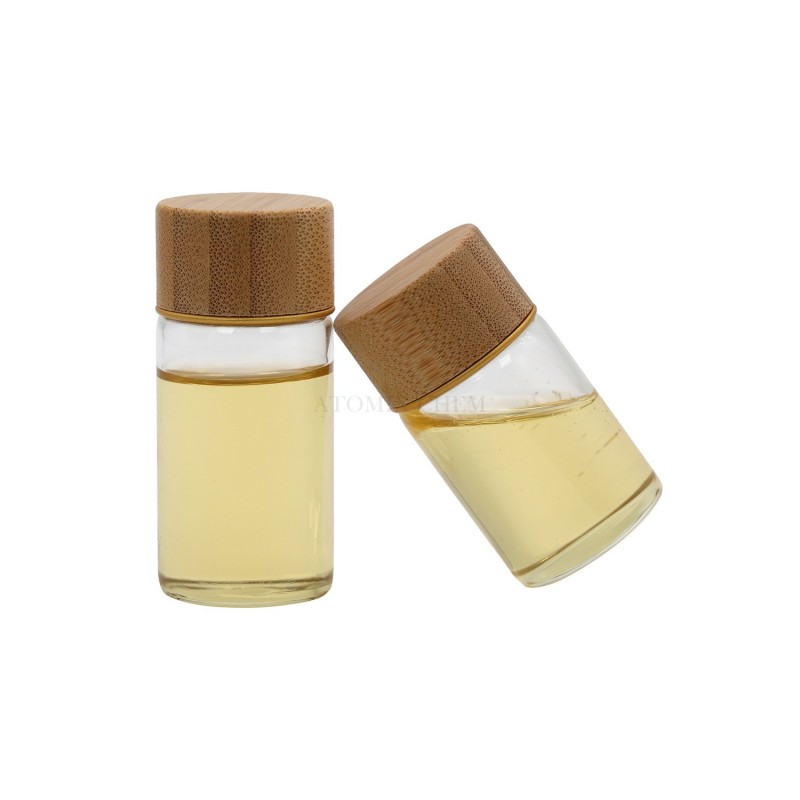
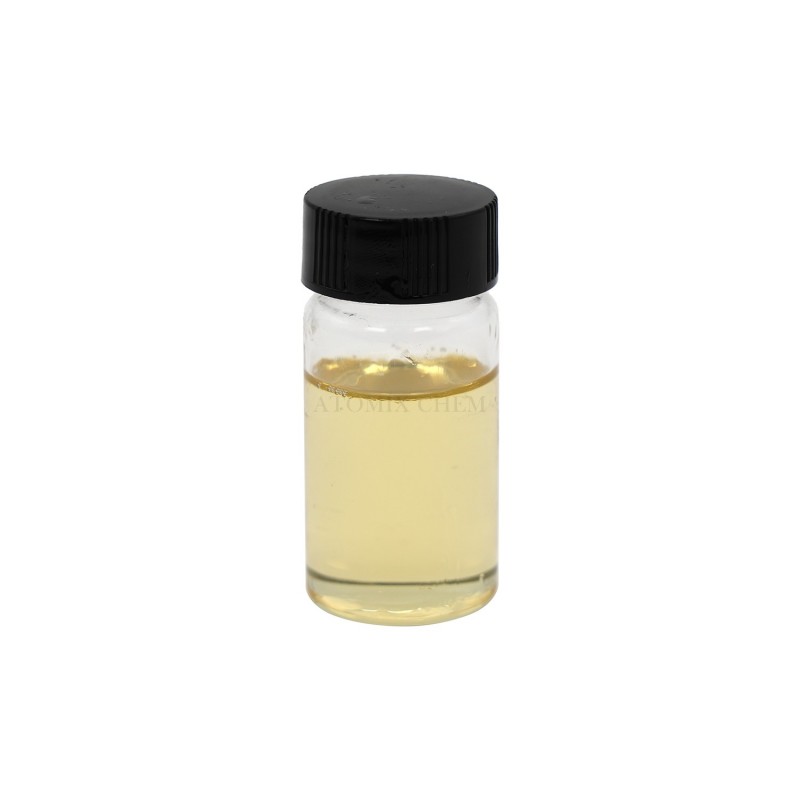
It features a complex aroma characterized by a strong, distinctive blend of cinnamon’s spicy notes and a sweet, smooth, syrupy scent. As the core component of cinnamon oil, it occurs naturally in cinnamon and Ceylon cinnamon oil. It is highly recognizable, has a long-lasting scent, and is a classic spicy flavoring agent.
Core Applications
1. Food Flavoring: Primarily used in the formulation of cinnamon, cassia, and cola-type flavorings. The maximum permitted usage limit in candies, baked goods, and chewing gum is 4,900 mg/kg.
2. Antimicrobial and Preservation: It possesses extremely strong, broad-spectrum antifungal and antibacterial effects. In China, it is permitted for use in appropriate amounts as needed for fruit preservation, with a maximum residue limit of ≤0.3 mg/kg; it can also be used as a plant-based essential oil alternative to antimicrobial agents in animal feed.
3. Pharmaceuticals and Personal Care: As a pharmaceutical intermediate, it is used in the preparation of antiseptic, preservative, and anti-ulcer medications. It also serves as a core fixative component in soap fragrances and personal care fragrances such as gardenia, jasmine, and lily of the valley.
4. Organic Synthesis: It serves as a key raw material for synthesizing downstream fine chemical derivatives such as cinnamic acid, cinnamyl alcohol, and cinnamyl cyanide, and can also be used as a biocide in oilfield water injection.
Storage Requirements
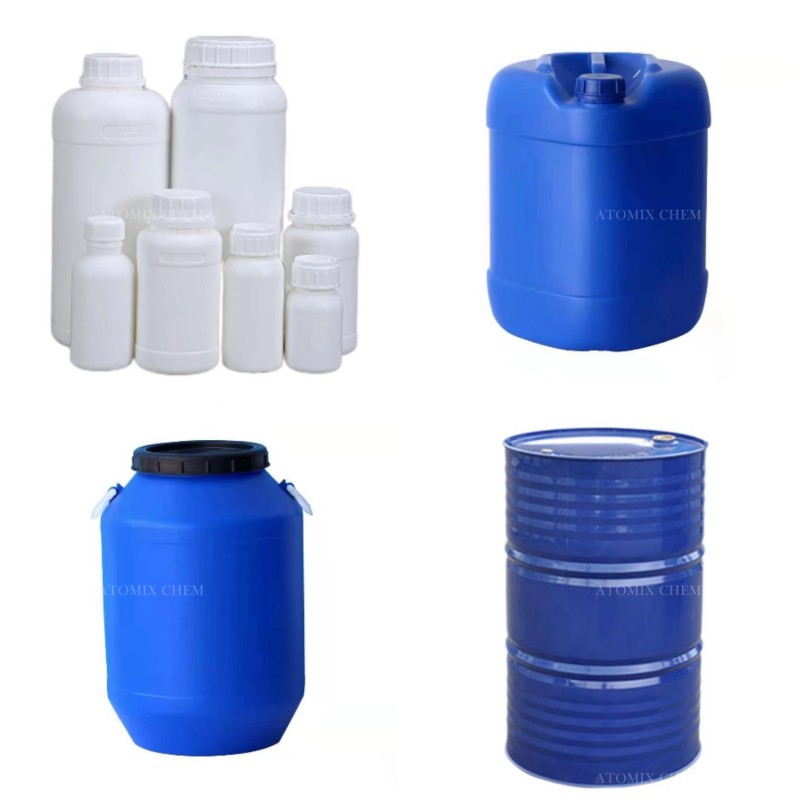
Store in a sealed container, protected from light, in a cool, dry, and well-ventilated environment at temperatures below 30°C. This substance readily oxidizes to cinnamic acid when exposed to air; therefore, it must be kept away from strong oxidizing agents and strong bases. Store and transport in accordance with regulations for flammable and irritating chemicals to prevent prolonged exposure to air, which can cause oxidation and deterioration.

WORLDWIDE

WORLDWIDE

YEARLY

WORKDAY