
Primary Uses
1. Core Ingredient for Broad-Spectrum Insect Repellents: This is the most widely used classic insect repellent globally. It effectively protects against bites from various blood-sucking insects, including mosquitoes, bed bugs, fleas, chigger mites, and leeches. It is the primary active ingredient in outdoor mosquito repellent products, with protection lasting up to several hours.
2. Raw Material for Consumer Mosquito Repellent Products: Widely added to consumer products such as mosquito repellent lotions, sprays, creams, and outdoor repellent patches, it is compatible with various water-based and oil-based formulations and is one of the safest ingredients with long-term, proven mosquito repellent efficacy.
Pharmaceutical and Public Health Fields: As a pharmaceutical-grade insect repellent ingredient, it is used in skin protection formulations for personnel engaged in fieldwork or activities in epidemic areas; it can also serve as a biochemical reagent for scientific research related to parasitic infections.
4. Organic Synthesis Intermediates: Used in the synthesis of related amide compounds in the fine chemicals industry; it is a key fine chemical in the preparation of m-toluoyl chloride through reaction with diethylamine.
Storage Requirements
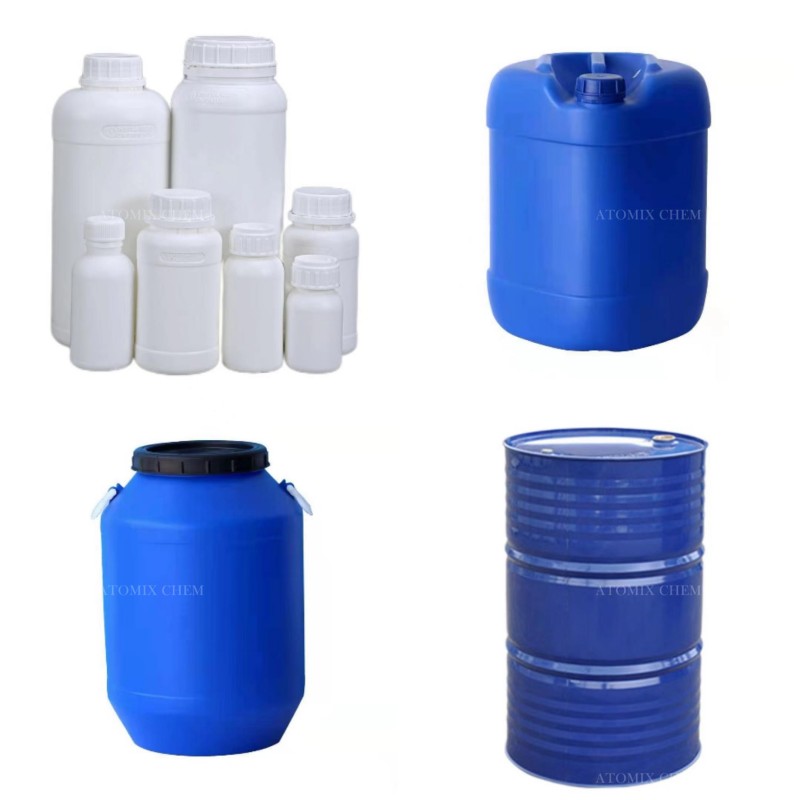
1. General Environment: Store in a sealed container in a cool, dry, and well-ventilated area at 2–8°C. Standard industrial-grade products may be stored at room temperature in a sealed container; research-grade reagents are recommended to be refrigerated and kept away from open flames and high-temperature heat sources.
2. Safety Controls: Must be stored separately from strong oxidizing agents, strong acids, and strong bases; mixed storage and transportation are strictly prohibited. This substance is flammable; appropriate fire and explosion prevention measures must be implemented. Avoid contact with skin and eyes to prevent irritation.

WORLDWIDE

WORLDWIDE

YEARLY

WORKDAY