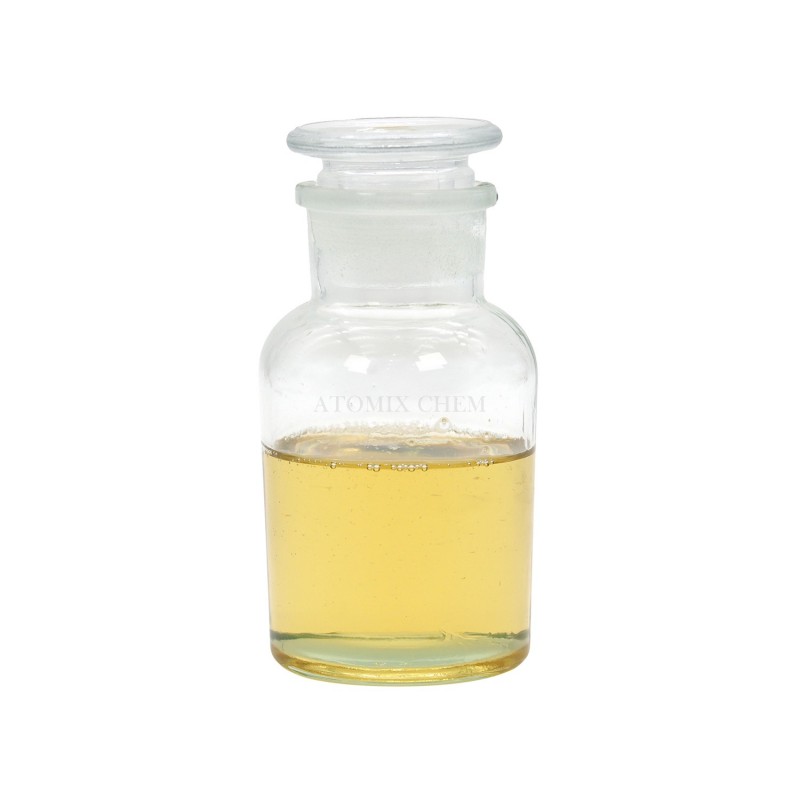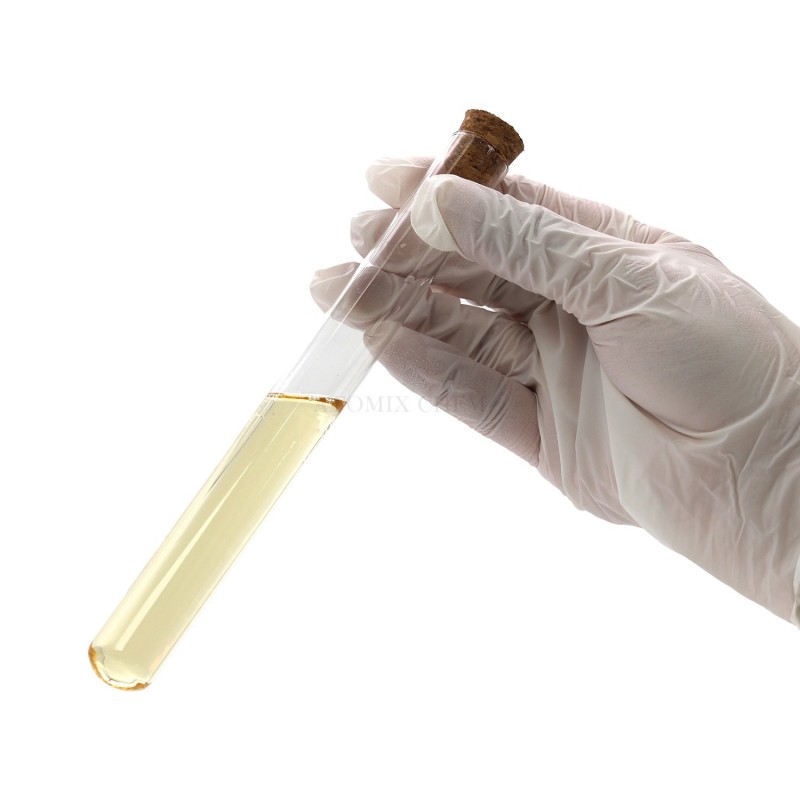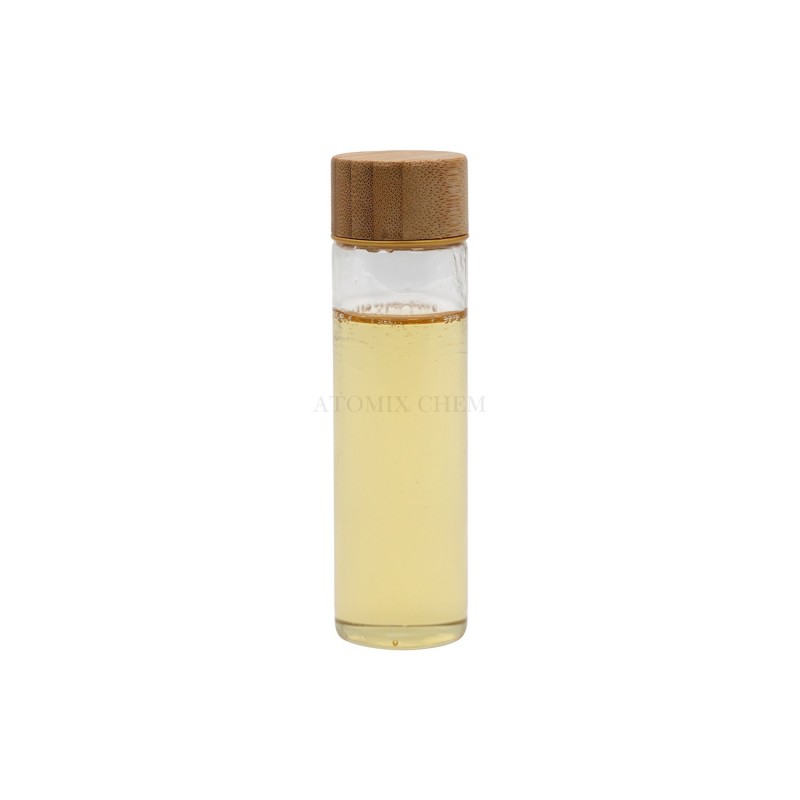

Key Applications
1. Classic Emollient in Cosmetics: As a key ingredient in high-end skincare, makeup, and hair care products, this is a dry, breathable emollient with excellent spreadability. It feels light and non-greasy on the skin and forms a breathable protective film on the skin’s surface, improving the product’s texture.
2. Pharmaceutical Transdermal Enhancer: Used as a pharmaceutical excipient in topical ointments and patches, it helps active pharmaceutical ingredients penetrate the skin more effectively, enhancing the transdermal absorption efficiency of topical formulations. It can also serve as a pharmaceutical dispersant.
3. Fragrance and Aromatic Additive: Acting as a solvent and fixative for fragrances, it slows the evaporation rate of scents and prolongs their longevity. It is widely used in various perfumes and scented personal care products.
4. Industrial Organic Synthesis Intermediates: Used in the production of esters, nonionic surfactants, and lubricant additives; they can also serve as textile softeners and ink wetting agents to improve the processing properties of industrial products.
5. Personal Care Formulation Additives: Used as emulsifiers and lubricants in products such as lotions and liquid cleansers to reduce surface tension and enhance formulation stability and user experience.
Storage Requirements
1. Storage Environment: Store in a sealed container in a cool, dry, and well-ventilated warehouse. Industrial-grade products may be stored at room temperature below 30°C; research-grade reagents are recommended to be refrigerated at 2–8°C.
2. Safety Precautions: Strictly protect from light and minimize contact with air to prevent oxidation and discoloration; keep away from heat sources and open flames. Must be stored separately from strong oxidizing agents and strong acids; mixed storage is strictly prohibited.

WORLDWIDE

WORLDWIDE

YEARLY

WORKDAY