
Application:
Hydrocyanic acid compounds are an important class of organic synthetic intermediates and serve as direct starting materials for the synthesis of α-hydroxy acids, α-hydroxy aldehydes, β-hydroxy amines, and other compounds. Consequently, the preparation of cyanohydrins has attracted widespread attention on Chemicalbook; the addition reaction of carbonyl compounds with TMSCN (trimethylsilyl cyanide) is one of the most efficient methods for synthesizing cyanohydrins.
Physical and Chemical Properties:
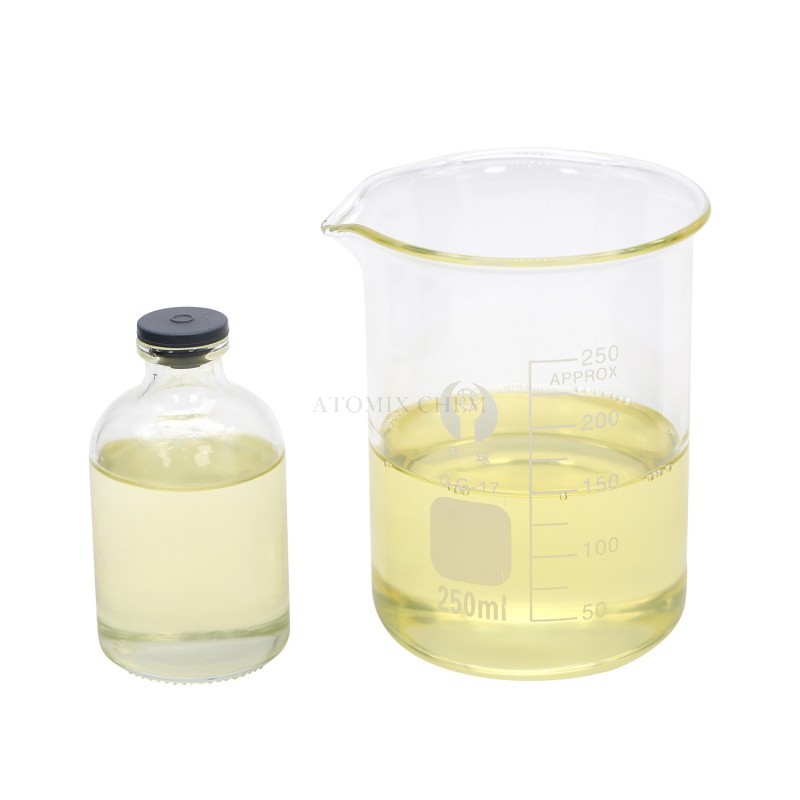
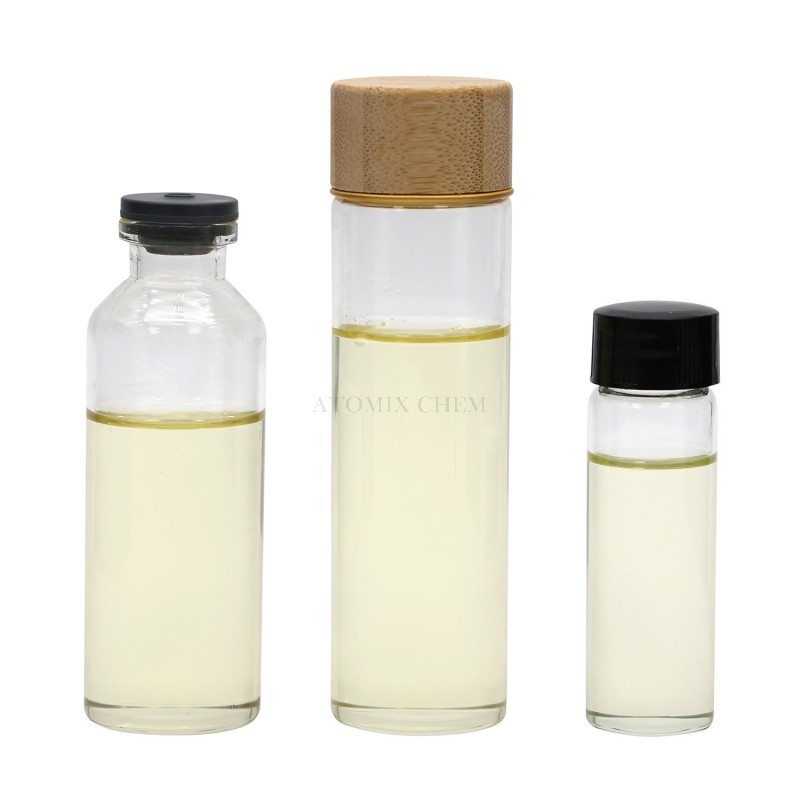
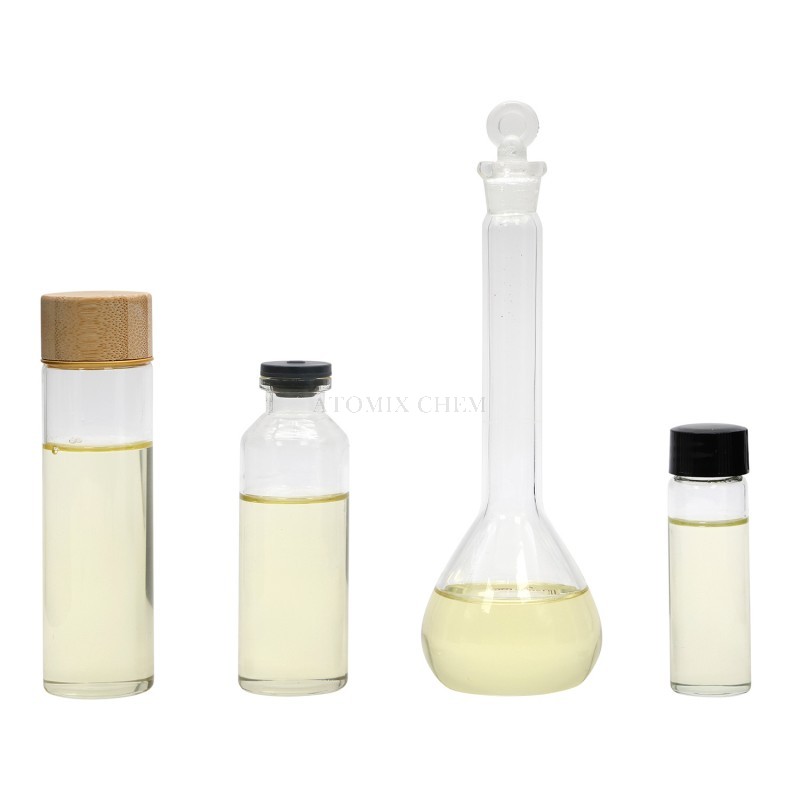
Trimethylsilyl cyanide (TMSCN) is a volatile liquid at room temperature. In organic synthesis, it serves as a substitute for highly toxic HCN and is used to introduce a cyano group into molecules.
Analysis of Production Status:
Currently, there are very few domestic manufacturers of TMSCN in China. The reaction system involves a heterogeneous sodium cyanide substitution reaction, with a very low conversion rate of only about 45%. Silver cyanide can also be used as a substitute, but the cost is too high, and the waste residue is difficult to dispose of. Another method involves using hydrocopper(I) as a raw material in the substitution reaction; however, the low product conversion rate results in high product prices, making it difficult for TMSCN to be widely used as a cyanide reagent.

Delivery is prompt!

By 10-year industry experts!

Diverse payment methods available!

Unbeatable cost performance!