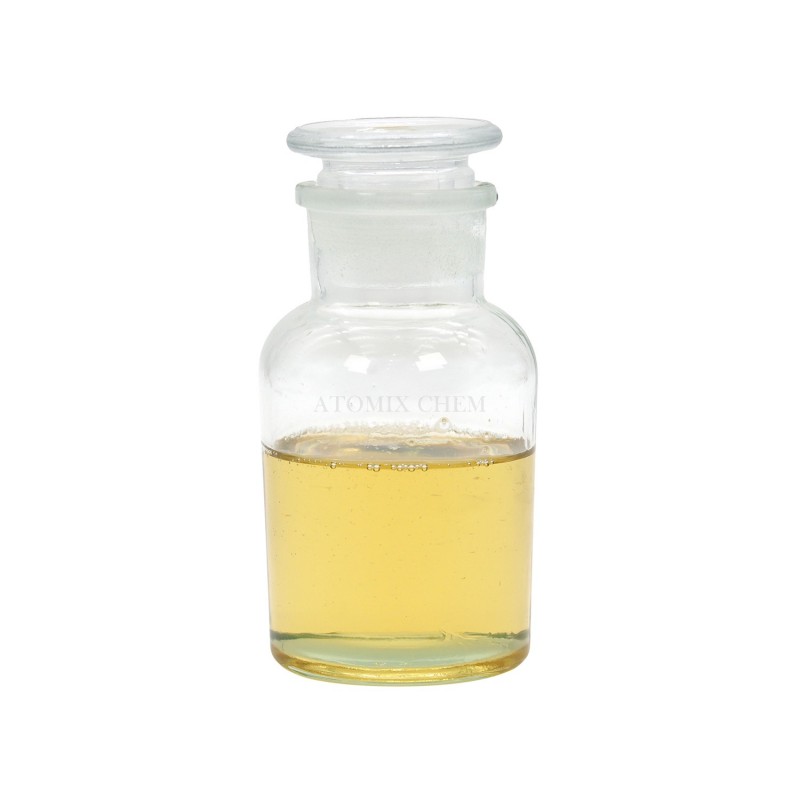

Primary Uses
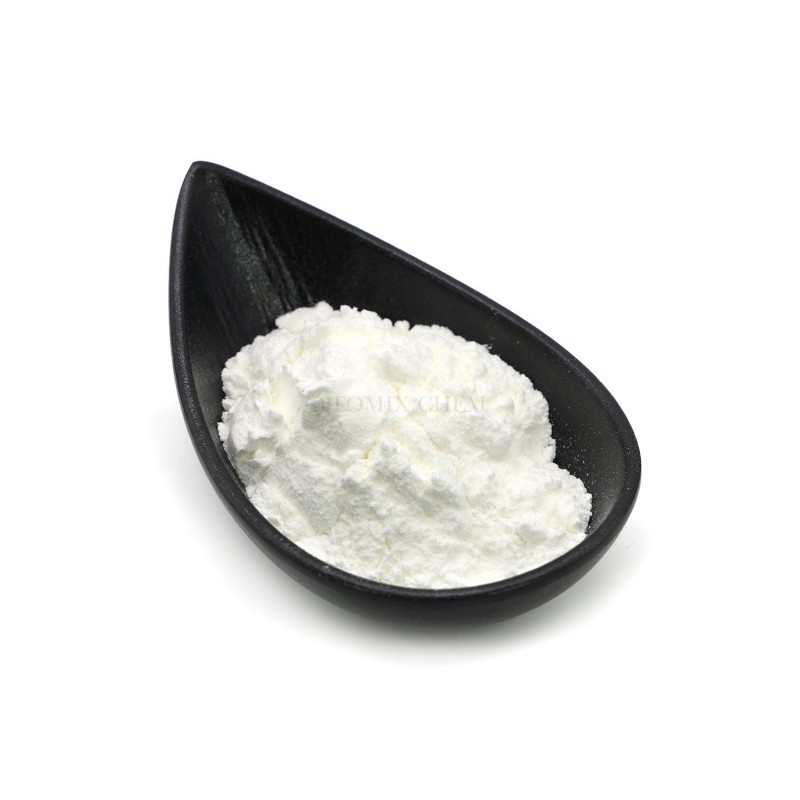
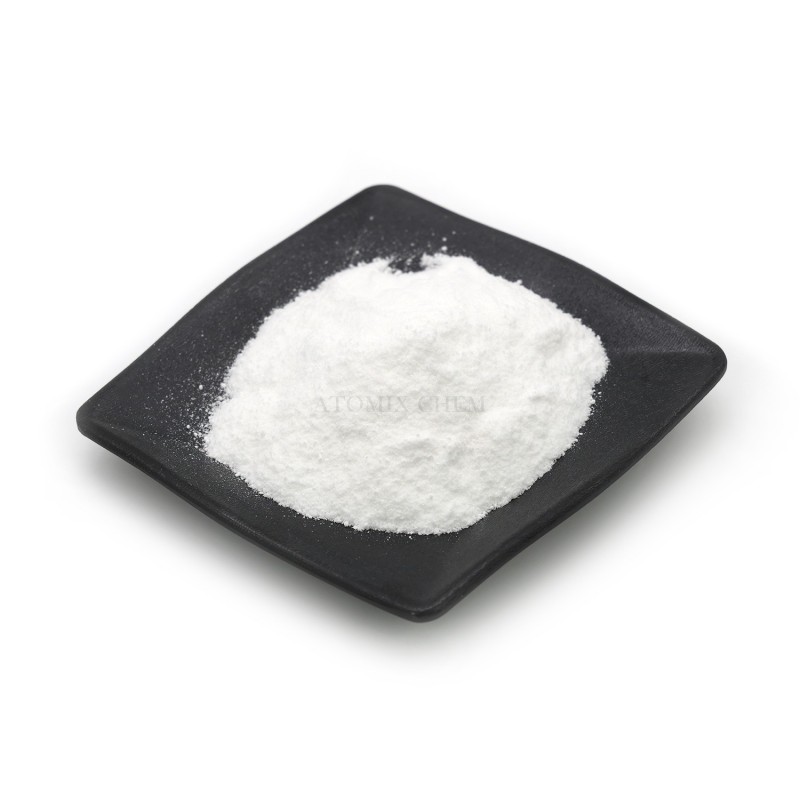
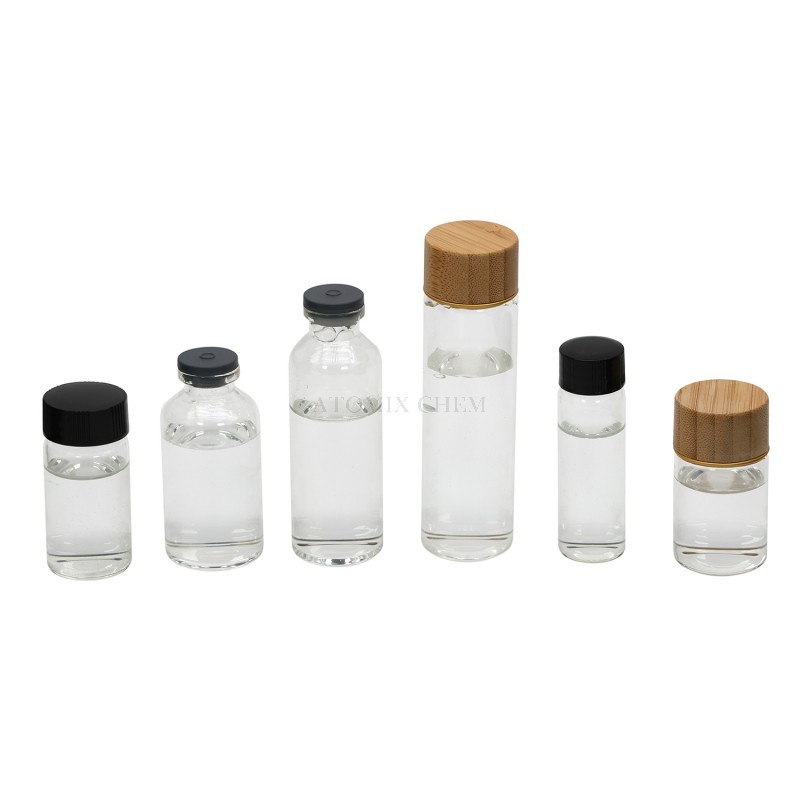
1. Pharmaceutical Synthesis Intermediates: A key raw material for the synthesis of squalene; it is also used in the preparation of antibiotics, antiviral drugs, and cardiovascular medications. Additionally, it serves as a pharmaceutical excipient—acting as a co-solvent and suspending agent—to enhance drug stability.
2. Versatile Industrial Solvent: Known as the “universal solvent,” it is miscible with a wide range of solvents, including water, alcohols, esters, ethers, and aromatics. It is widely used in various chemical synthesis processes and can also serve as a plasticizer to improve the flexibility of plastics.
3. Raw Material for Organic Synthesis: Used to synthesize fine chemicals such as monoglycerides, diglycerides, and triglycerides; it serves as a hydroxyl-protecting group in organic reactions to enable selective reactions of specific functional groups.
4. Household Chemicals and Food Industry: Leveraging its excellent solubility and moisturizing properties, it is used as a solvent and humectant in skincare products and cosmetics; it can also serve as a food additive to improve food texture and stability.
Storage Requirements
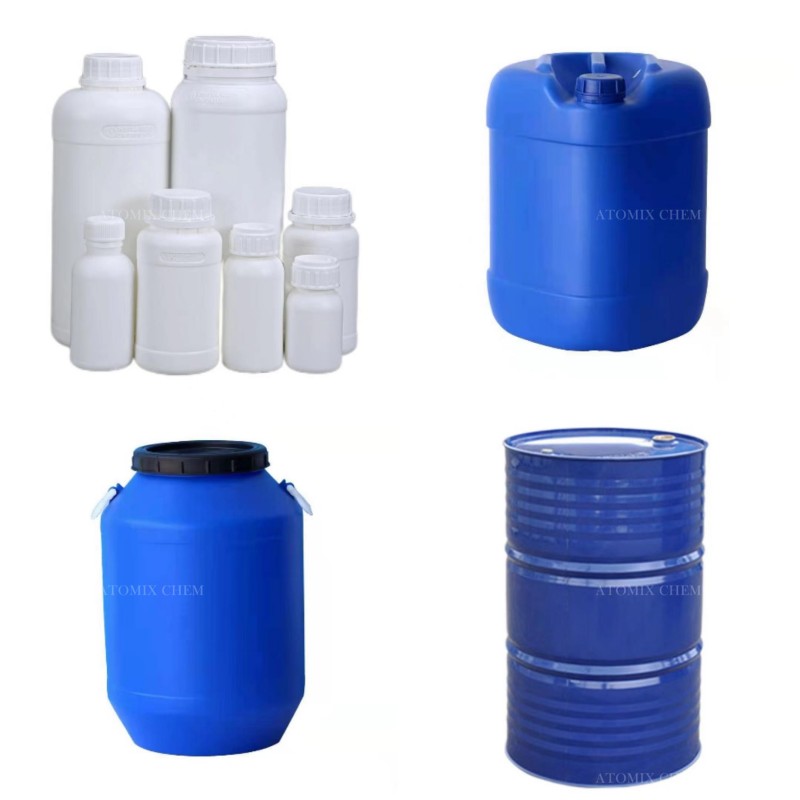
1. General Environment: Store in a sealed container in a cool, well-ventilated warehouse, away from sources of fire and heat. Implement anti-static measures. The warehouse temperature should not exceed 30°C; small-volume research-grade reagents may be refrigerated at 2–8°C.
2. Safety Controls: Must be stored separately from oxidizing agents; mixed storage is strictly prohibited. Storage areas must be equipped with explosion-proof lighting and ventilation systems. The use of machinery and tools that may generate sparks is prohibited. Emergency spill response equipment and containment materials must be provided.
3. Storage Restrictions: This substance is prone to hydrolysis under acidic or alkaline conditions, resulting in the reformation of acetone and glycerol. Container seals must be inspected regularly to prevent contact with acidic or alkaline environments.

WORLDWIDE

WORLDWIDE

YEARLY

WORKDAY