
Introduction
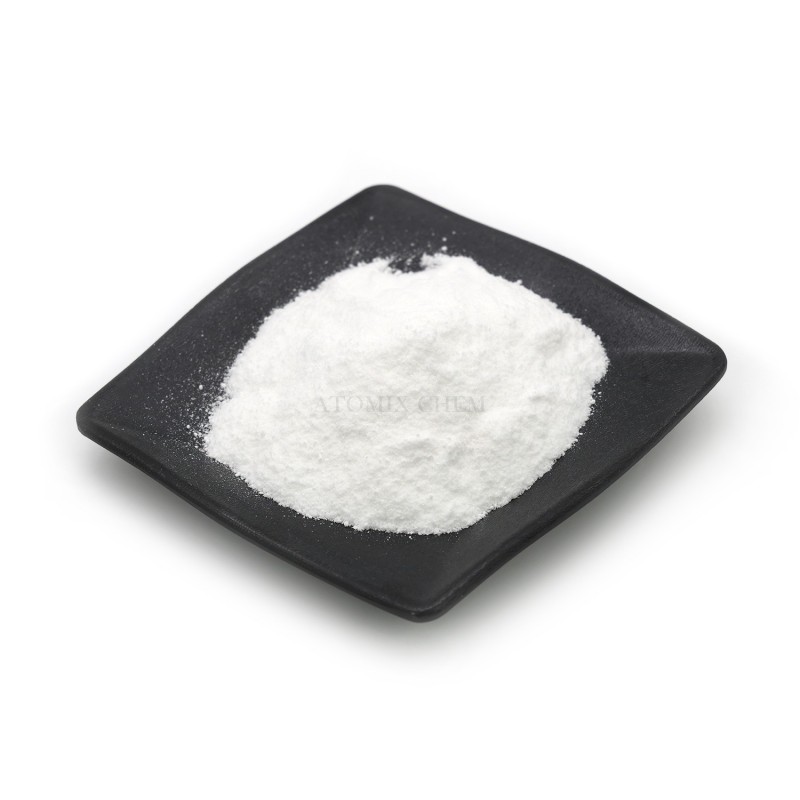
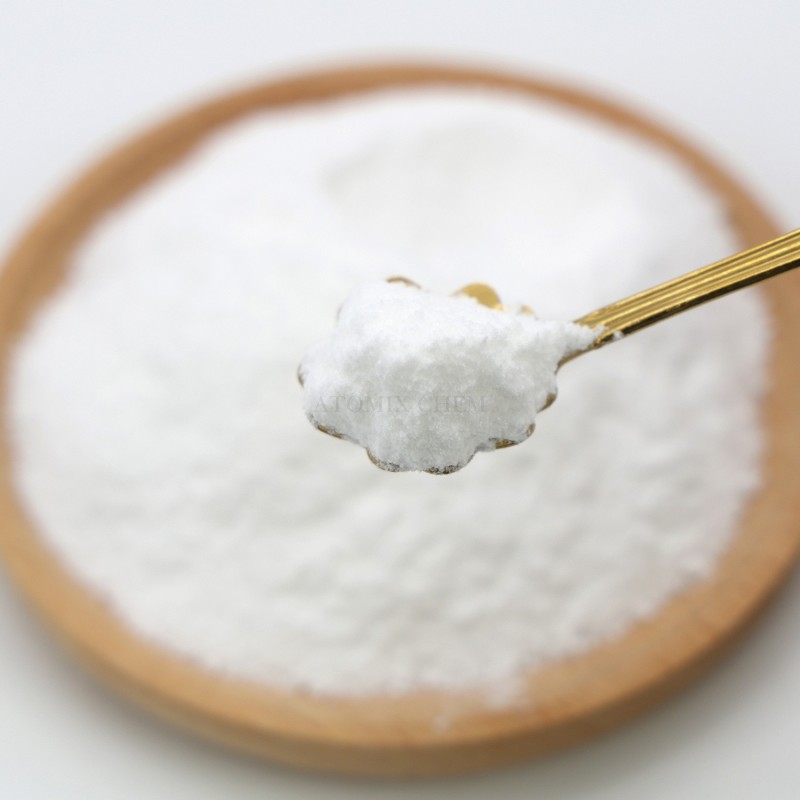
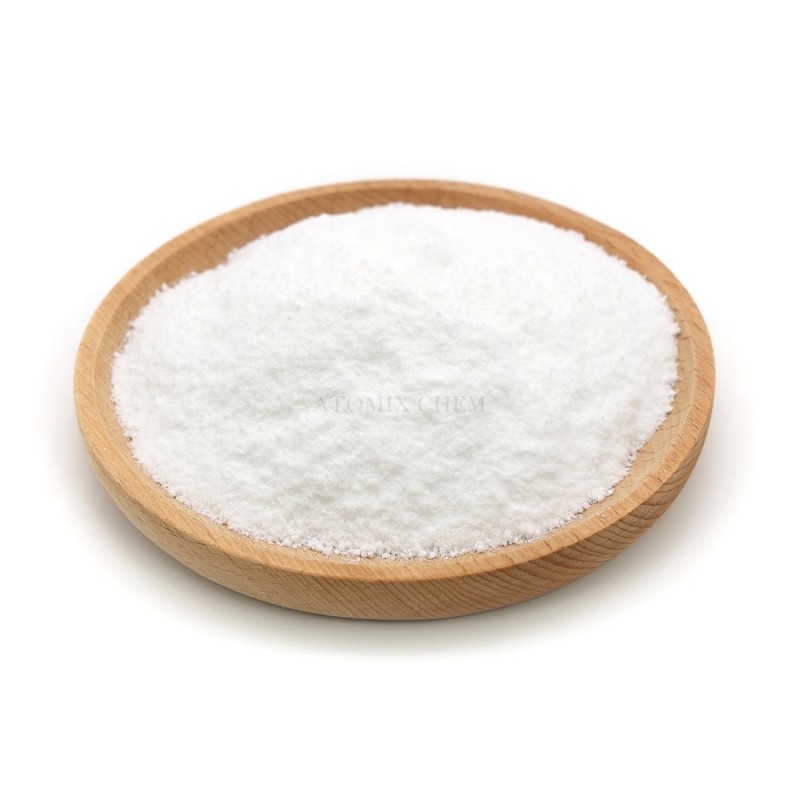
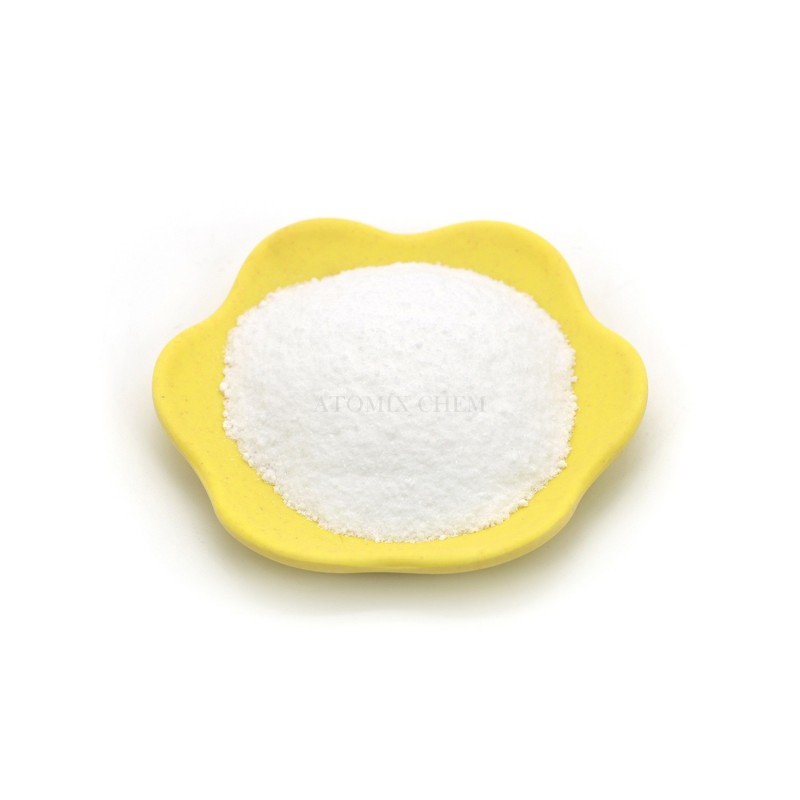
Sodium dodecyl sulfate is an anionic surfactant and a typical representative of sulfate surfactants. It is abbreviated as SDS and is also known as AS, K12, sodium cocoate sulfate, and sodium lauryl sulfate. It is a foaming agent. Commercially available products are typically white to pale yellow crystalline powders; they are non-toxic, slightly soluble in alcohol, insoluble in chloroform and ether, and highly soluble in water. It is compatible with anionic and nonionic surfactants and exhibits excellent emulsifying, foaming, penetrating, cleaning, and dispersing properties, producing a rich lather. rapidly biodegradable, but its water solubility is inferior to that of sodium lauryl ether sulfate (commonly abbreviated as AES). It is not sensitive to alkalis or hard water, but its stability under acidic conditions is inferior to that of typical sulfonates, though it is comparable to AES. Prolonged heating should not exceed 95°C. Its irritancy is moderate among surfactants; the irritation index of a 10% solution is 3.3, which is higher than that of AES but lower than that of sodium dodecylbenzenesulfonate (LAS). The toxicity LD50 is 1300 mg/kg. There is currently no evidence that this substance is carcinogenic. While high doses may indeed irritate the skin, its concentration is limited when used as a foaming agent in general personal care products, and it complies with international regulations, so there is no cause for concern. Sodium dodecyl sulfate is the main ingredient in dishwashing liquid.
It is commonly used in DNA extraction processes to denature proteins and separate them from DNA. It is often mistakenly referred to as sodium dodecyl sulfonate. As a foaming agent, it is widely used in toothpaste, soap, body wash, shampoo, laundry detergent, and cosmetics. Ninety-five percent of personal care and household cleaning products contain sodium dodecyl sulfate.

WORLDWIDE

WORLDWIDE

YEARLY

WORKDAY