
Main Uses
1. Pharmaceutical anti-allergy applications: As a mast cell membrane stabilizer, it inhibits mast cell degranulation and blocks the release of allergic mediators such as histamine. It is used to prevent bronchial asthma attacks and can also be formulated into eye drops and nasal sprays to treat allergic conditions such as allergic rhinitis and vernal keratoconjunctivitis. It is considered relatively safe for long-term use in children.
2. Biochemical Research: Used as a standard reference material and biochemical reagent in basic research on immunology and inflammation. It also serves as a GSK-3β inhibitor (IC50: 2.0 μM) in drug development experiments related to signaling pathways.
3. Consumer Cosmetics Applications: This ingredient is added to certain compliant, efficacy-based skincare products to help soothe sensitive skin and reduce localized allergic redness. Temperature must be controlled during use to prevent inactivation of the active ingredient.
Storage Requirements
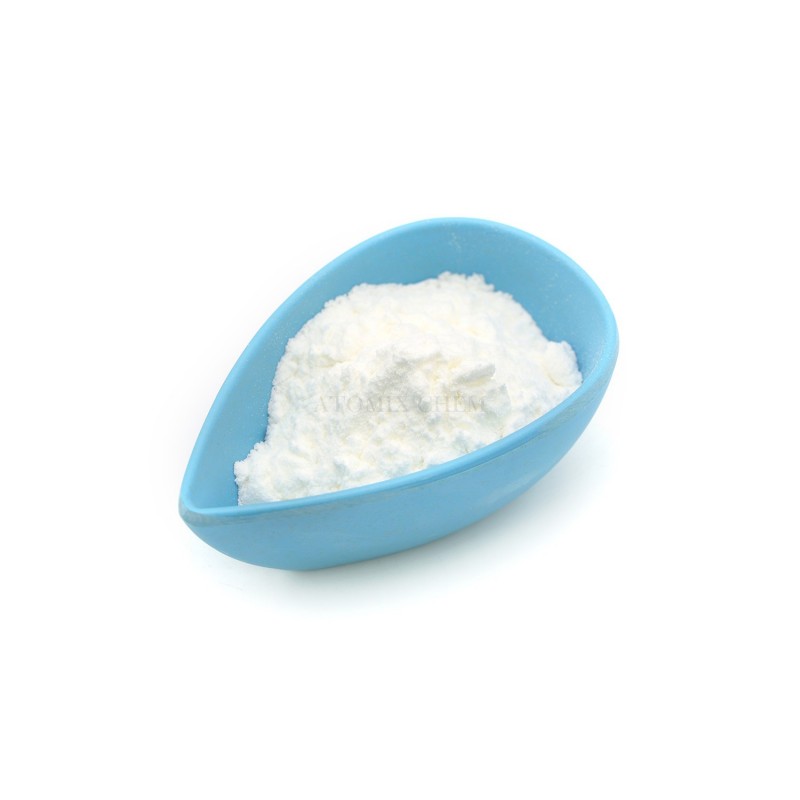
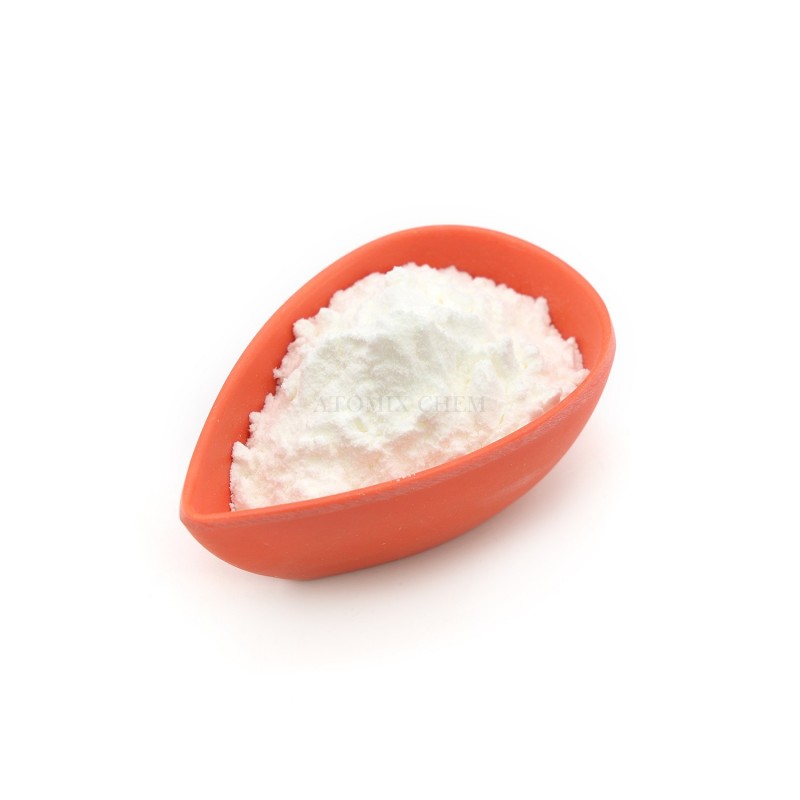
1. General Environment: Must be stored in a light-protected, dry, and sealed environment. Standard solid powders should be stored at room temperature (18–25°C) away from light, with a shelf life of up to 2 years.
2. Special Formulation Controls: Pre-formulated aqueous solutions must be stored frozen and sealed at -80°C to prevent ingredient degradation caused by prolonged exposure.
3. Handling Precautions: This substance is highly hygroscopic and prone to discoloration when exposed to light. It must be resealed immediately after use. Strictly avoid storing it together with strong oxidizing agents, strong acids, or strong alkalis to prevent spoilage and loss of efficacy.

WORLDWIDE

WORLDWIDE

YEARLY

WORKDAY